Materials & care
Is barware dishwasher safe? Check the complete item and cycle
Understand why stainless steel alone is not enough to answer the question, especially for coloured tools, assembled parts and retail care labels.
Manchen editorial team · Updated
The short answer
Dishwasher suitability belongs to a specific finished item and a defined wash process. Ask for the manufacturer’s instructions and confirm how coatings, joints and non-metal parts are handled. If suitability is unconfirmed, use an approved alternative procedure; do not infer machine-wash permission from a stainless-steel grade or a dishwasher symbol on another product.
Define what dishwasher safe means for your use
A household machine, a commercial glasswasher and a high-throughput utensil washer do not necessarily expose a tool to the same process. Identify the machine type, detergent, temperatures, contact time and drying arrangement used at the destination. The exact settings should come from the equipment and chemical instructions, not a generic article. This description helps a supplier answer a meaningful question. “Can it go in a dishwasher?” is incomplete if the product will be washed repeatedly throughout a busy service.
Inspect every component rather than the main body
Look for decorative finishes, glued features, removable seals, wooden pieces and enclosed joints. A plain metal body does not establish the behaviour of those additions. Confirm whether disassembly is required and whether small caps or accessories need a secure rack arrangement. Do not put a complete gift set through a machine simply because its shaker is suitable. Review stands and packaging separately, and keep product-specific instructions available where staff sort items for washing.
Evaluate the approved process without inventing a standard
Where machine-wash performance is part of a purchasing requirement, agree the cycle, repeat count and inspection criteria before approval. Review legibility of measurement marks, surface appearance, fit and any component movement afterwards. A successful first wash does not prove indefinite service life, and a water-only trial does not represent detergent exposure. Record the sample and settings so that a later change to the finish, chemical or machine can trigger an informed review instead of an assumption that nothing relevant changed.
Separate equipment care from hygiene compliance
Handwashing and machine washing each need an effective foodservice procedure where tools contact drinks. Cleaning removes soil; sanitizing has its own requirements under the locally applicable system. FDA’s Food Code is a model, so check the rules adopted by the operating jurisdiction. A care label is not a substitute for staff training, chemical dosing or machine checks. After washing, inspect small parts and allow appropriate drying before reassembly or storage, following both the product and establishment instructions.
Put it into practice
- Confirm suitability for the complete item and intended cycle.
- Separate stands, coated parts and small removable components.
- Document the permitted wash route and local hygiene procedure.
Questions worth asking
If machine washing is unconfirmed, is rinsing enough?
No. Use a compatible cleaning method and the required sanitizing procedure for the setting. A quick rinse may leave residues and does not replace a complete food-contact cleaning routine.
Examples from the Manchen catalog
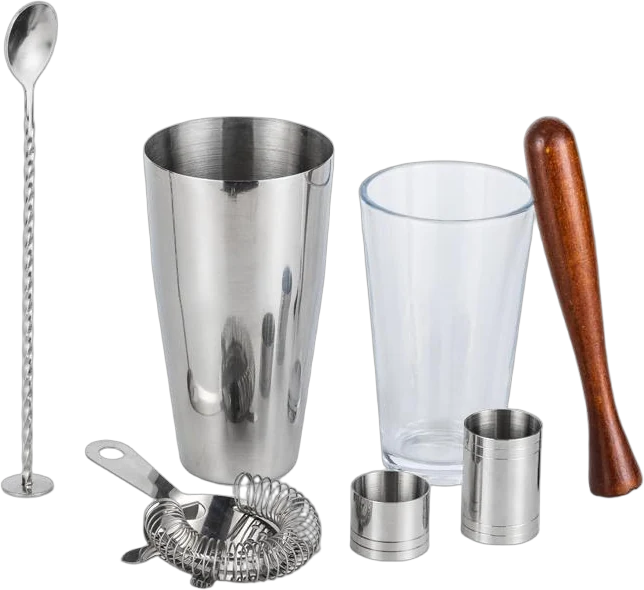
For a Manchen private-label set, request care guidance for each chosen tool and stand before printing the insert. Keep the dishwasher statement specific to supported configurations. This helps a retail customer understand the kit and lets hospitality buyers check the proposed care route against their own equipment.
Explore the relevant collections
Discuss your product brief ↗References & further reading
These references explain general techniques and requirements. They do not establish certification or tested performance for a Manchen product.
