Bar setups & service
Home-bar essentials: buy tools by task, not by piece count
Build a compact kit that can measure, mix and strain the drinks you actually make, then add accessories when a recipe needs them.
Manchen editorial team · Updated
The short answer
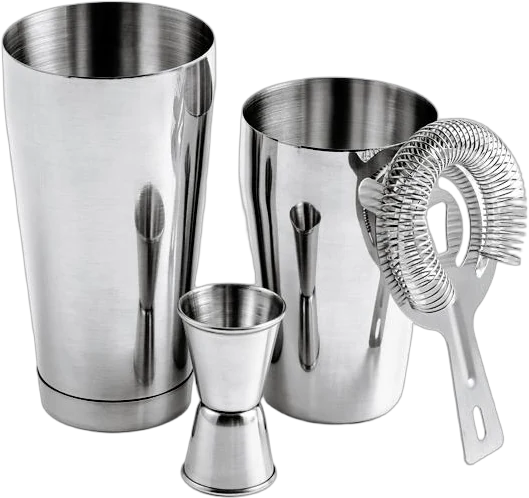
A useful starter kit covers measuring, the required mixing method and serving. A jigger, suitable shaker and matching strainer can cover many shaken recipes; stirred drinks may call for a spoon and mixing vessel. Add a muddler, opener or ice tool only when the menu creates that task.
Start with three drinks, not twenty accessories
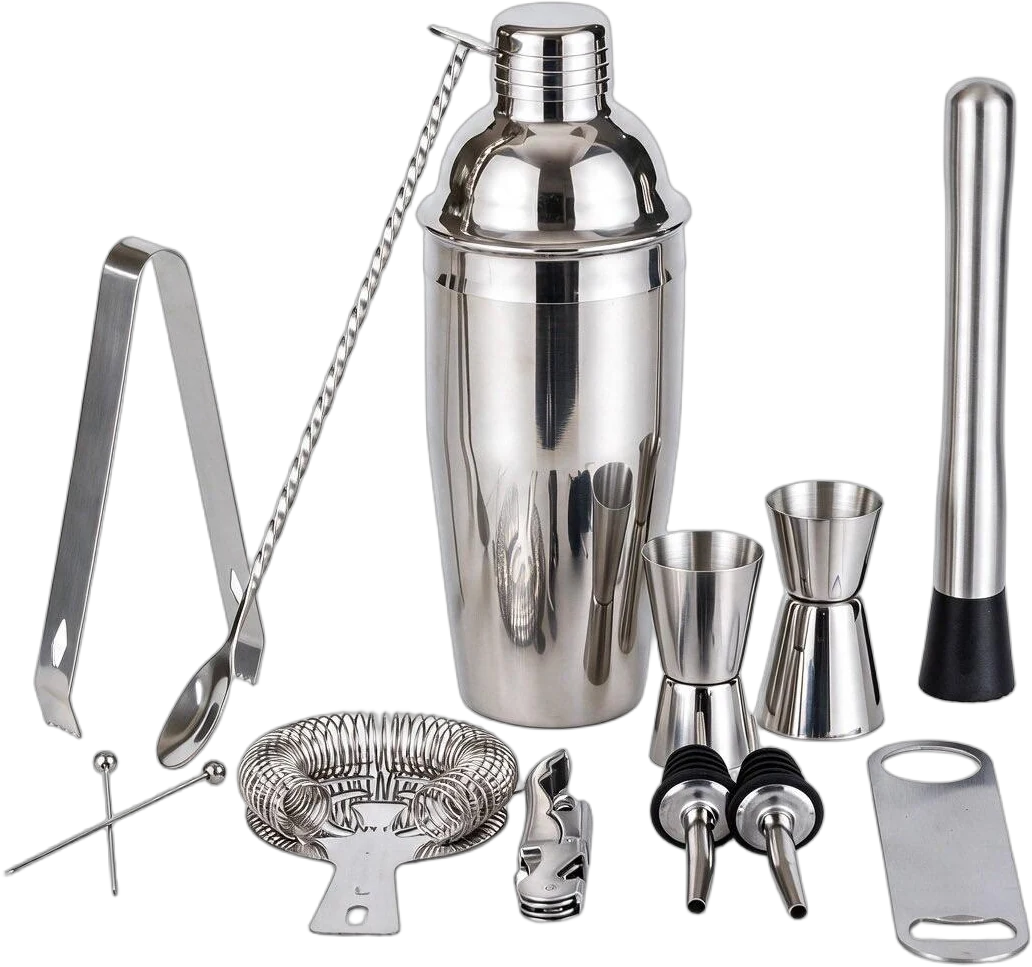
Write down a shaken drink, a stirred or built drink and one other recipe you expect to make regularly. Next to each recipe, list actions such as measure, shake, stir, strain, muddle and open. The overlapping actions define the core kit. This approach also works for a non-alcoholic menu. It avoids buying a large assortment in which several decorative pieces occupy space while a necessary measuring tool is missing or difficult to use.
Match tools as a working group
A shaker and strainer should be evaluated together rather than selected independently from attractive photographs. Check whether the strainer sits securely, whether the jigger has the measures your recipes use and whether the spoon reaches comfortably inside the vessel. The IBA Dry Martini demonstrates a separate mixing-glass-and-strain workflow, while other drinks are built in the serving glass. One tool does not replace every method, and one nominal capacity does not establish a practical recipe load.
Choose a kit you can clean and store
At home, the sink and storage shelf are part of the setup. Confirm that narrow parts can be reached for cleaning, that detachable components are easy to keep together and that the selected materials have clear care instructions. Do not put wet tools into a closed case merely because the case looks tidy. Drying space is often more useful than another accessory. If a stand is included, make sure its openings fit the exact tools supplied.
Expand after a real recipe reveals a gap
Use the starter kit before adding specialist pieces. A fine sieve becomes relevant when a recipe calls for less pulp or fewer ice fragments; a muddler matters when ingredients need controlled pressing. A second basic vessel may be more helpful for making drinks with a friend than an elaborate garnish accessory. Keep a simple note of the tasks that feel awkward. Your next purchase should resolve one of those tasks, not just make the collection appear more complete.
Put it into practice
- List the actions in three representative recipes.
- Check shaker, strainer and measuring marks together.
- Reserve a clean place for drying and storage.
Questions worth asking
Is a larger piece count better for beginners?
Not necessarily. Count functions and usable components, not small duplicated accessories. A compact kit with clear instructions and well-matched tools can be easier to learn and maintain.
Examples from the Manchen catalog
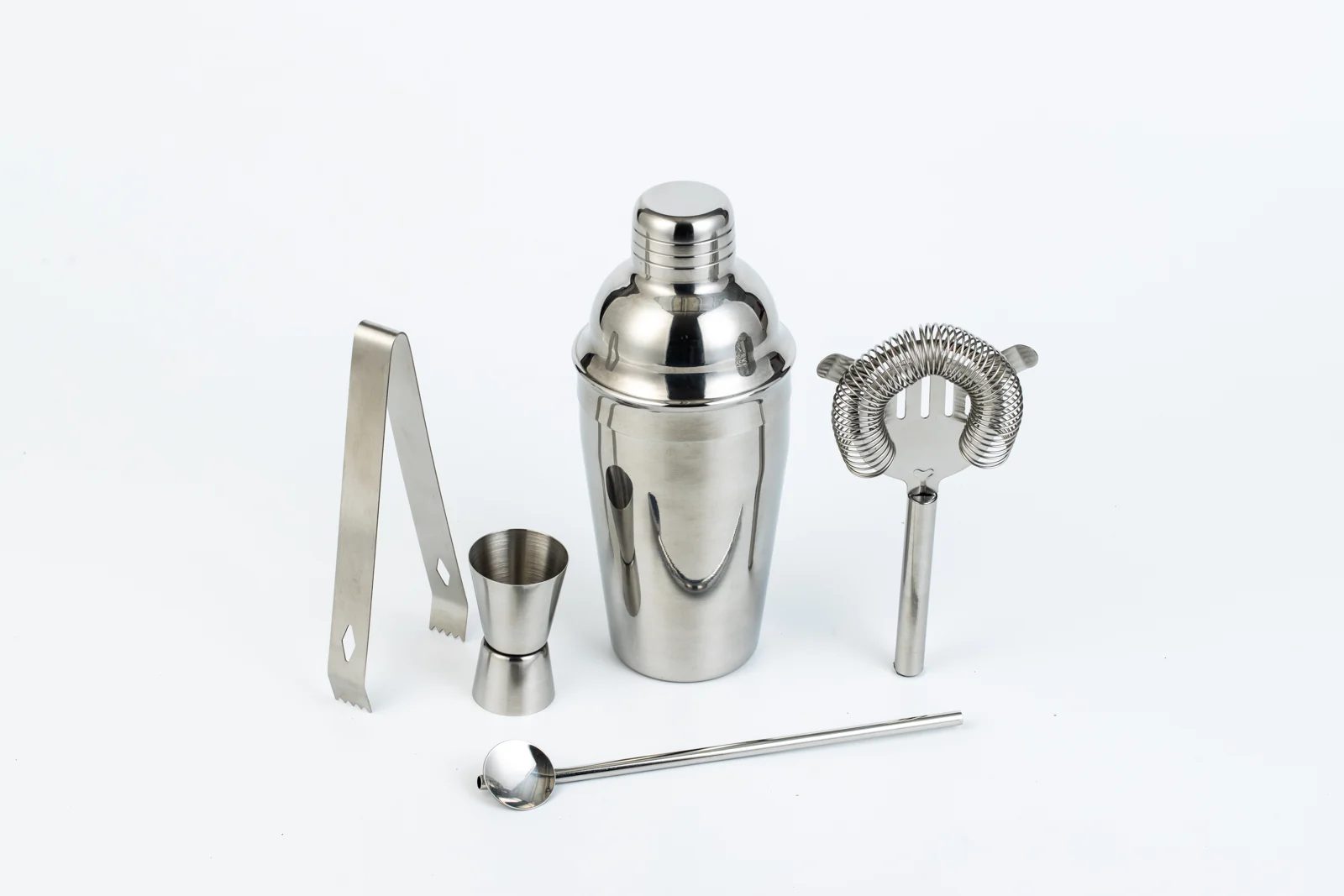
Use Manchen cocktail sets as a starting point, then compare the actual component list with your recipe tasks. Individual shakers, jiggers and bar tools let you fill a specific gap without assuming that every photographed accessory belongs in the quotation. Confirm the final configuration and care instructions before choosing a set.
Explore the relevant collections
Discuss your product brief ↗References & further reading
These references explain general techniques and requirements. They do not establish certification or tested performance for a Manchen product.
