Bar setups & service
Mobile bar toolkits: plan the journey as well as the drinks
Build a portable station around transport protection, realistic washing arrangements and a menu that fits the event environment.
Manchen editorial team · Updated
The short answer
A mobile kit needs the tools for the menu plus a plan for transport, clean storage, used-tool separation and restocking. Portability is not just low weight. An elegant case is incomplete if tools shift in transit or the site has no approved way to clean and replenish them.
Confirm the site before writing the packing list
Ask about the service surface, water supply, power, lighting, waste handling and the approved arrangements for washing or exchanging used tools. Outdoor wind and uneven ground can change what feels stable. Do not assume a venue that supplies glasses also supplies compatible cleaning facilities or edible ice. A site checklist should identify who provides each resource and what happens if it is unavailable. The menu must be realistic for those conditions.
Use packing that preserves the working configuration
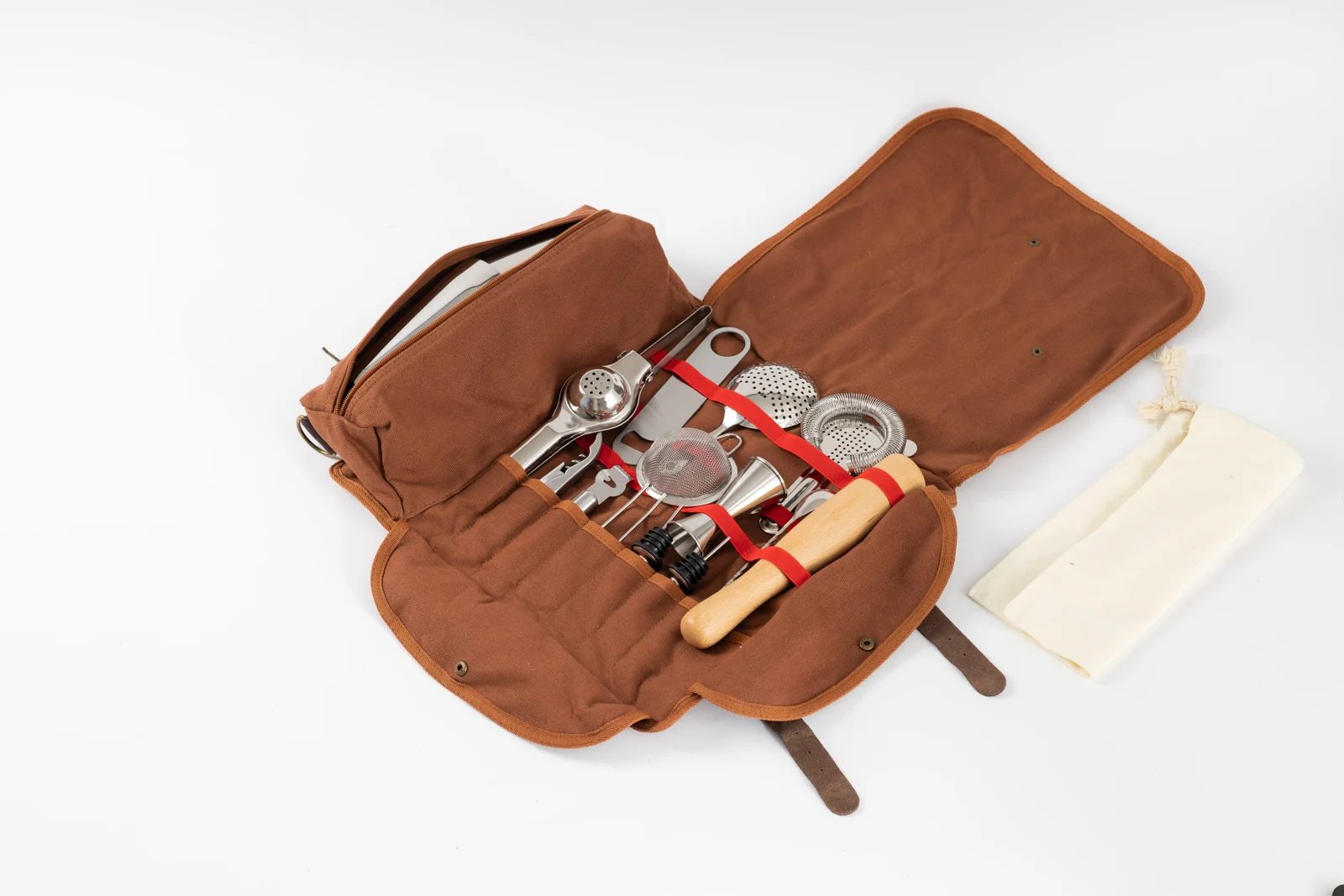
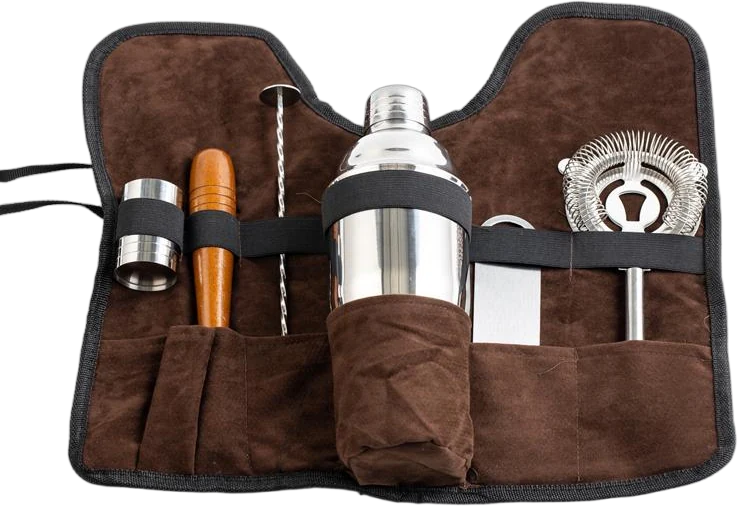
Give small parts a defined position so that a missing cap or strainer is apparent during loading. Prevent metal pieces from rubbing against a fragile mixing vessel, and check whether the case closes without stressing protruding handles. A display stand may be useful on site but awkward in a transport case, so compare its deployed and packed dimensions separately. Test an actual packed kit through the expected handling sequence before finalizing the arrangement.
Separate clean deployment from used-tool return
Plan separate protected areas for clean tools and tools awaiting the approved cleaning or exchange process. A single padded case should not automatically serve both roles during service. Label containers by purpose and ensure staff can identify them in low light. Follow the local rules for temporary food service and the venue’s procedures; the FDA Food Code offers a model rather than blanket authorization for an event. A portable toolkit does not replace necessary site controls.
Rehearse setup and the final pack-down
Run a rehearsal from a closed transport case to a ready station, then from the used station back to safe transport. Note tools that require searching, packaging that blocks access and parts likely to be left behind. Add the replenishment and damage-report steps to the packing list. A smaller menu with an orderly kit may be more workable than a broad menu requiring many specialist tools, but validate that choice with the actual event team.
Put it into practice
- Confirm site resources and responsibilities in writing.
- Test deployed and packed dimensions separately.
- Provide distinct clean-tool and used-tool routes.
Questions worth asking
Is a carry case enough to make a set suitable for events?
No. Check tool retention, protection, field access and the full clean-to-used workflow. A case is one part of the operating arrangement, not proof that the venue or menu is ready.
Examples from the Manchen catalog
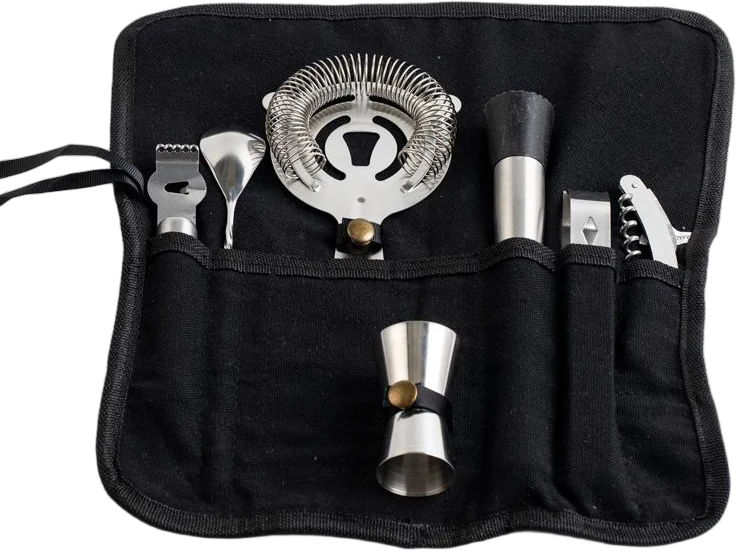
Use Manchen sets and individual tools to build an event-specific component list. Identify which items travel assembled, which need protective separation and which require spares. Ask for packing dimensions and confirm whether the proposed case or stand is available for the exact combination rather than inferred from another series photograph.
Explore the relevant collections
Discuss your product brief ↗References & further reading
These references explain general techniques and requirements. They do not establish certification or tested performance for a Manchen product.
