Recent industry trends
Mixed-ABV menus: making moderation a real choice in 2026
Build comparable full-strength, lower-alcohol and alcohol-free choices around flavor and service, with clear recipes that help guests select a drink for the occasion.
Manchen editorial team · Updated
The short answer
A useful mixed-ABV menu makes the choices easy to understand and equally considered in presentation. Begin with a flavor family, write separate recipes for each alcohol level and verify the ingredients and portions. The practical barware brief follows those recipes: readable measures, identifiable working vessels and a consistent serving standard.
Read moderation as a menu-design brief
Ipsos published its adult-beverage whitepaper overview on 3 August 2026, identifying moderation and intentional choice among its themes. For a venue, the useful question is how a guest can find an appealing option that suits this particular visit.
Start by reading the menu without the category headings. Can someone understand the flavor, texture and serving format of each drink? If the alcohol-free description contains only an omission, rewrite it around what the drink offers. This is an editorial exercise the team can complete before changing any equipment.
Create an illustrative comparison sheet
For an illustrative pilot, choose a citrus-and-herb flavor family and create three rows: full-strength, lower-alcohol and alcohol-free. Give every row fields for exact ingredient identity, measured amount, intended glass, ice, garnish, menu description and staff explanation. These are development fields, not a finished recipe.
Compare the rows side by side. Decide whether they should share a family name or use separate names. A shared name helps explain the relationship only when the recipes and descriptions remain distinct. Ask a colleague unfamiliar with the project to identify which drink contains alcohol.
Translate the recipes into a measuring brief
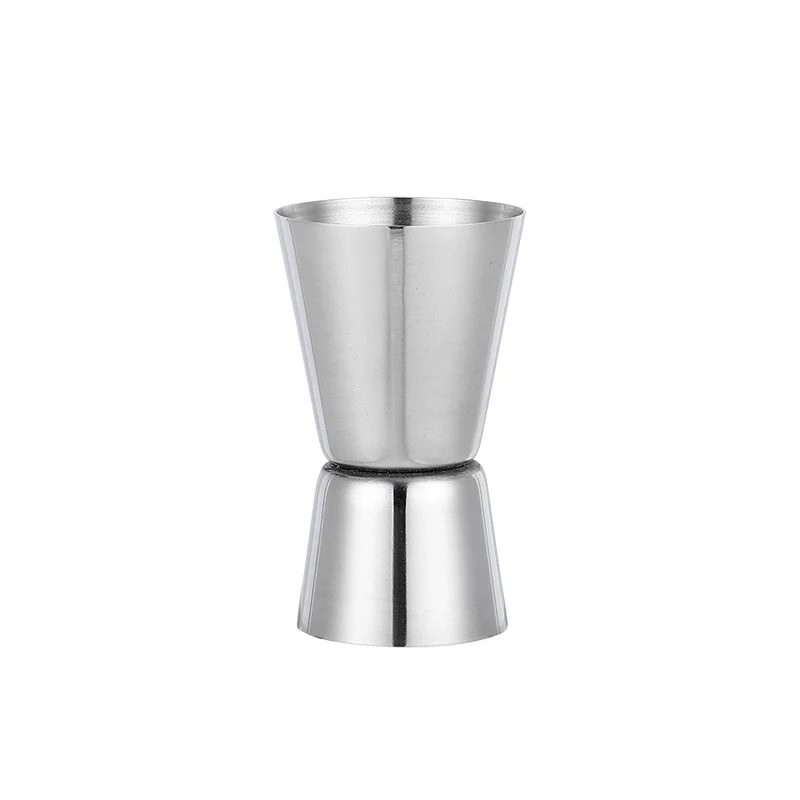
Once the recipes are approved, list the measures actually used across them. Compare candidate jiggers with those amounts, including the smaller additions that define balance. Test readability at the working position rather than relying on the product photograph. A second tool may be useful when two drinks are prepared together, but establish the task first.
Specify how staff distinguish the working containers for each recipe. Color can support the system, while a written label provides the explicit identity. Include the final ingredient list in training so the distinction survives a change of bottles, suppliers or staff.
Give every option a finished service
Choose presentation deliberately for each recipe. Similar visual care can mean a considered glass, a neat garnish and a clear explanation; it does not require identical liquid volume or sweetness. Test the whole serve as the guest receives it, including ice and any finishing component added at the table.
Use a short staff rehearsal: one person orders by flavor, another by alcohol preference, and a third asks what differs between two choices. Record where the answer becomes vague. Improve the menu or recipe card at that point instead of asking staff to improvise a scientific explanation.
Evaluate choice before expanding the range
During a limited pilot, log questions, substitutions, preparation delays and unfinished components. Distinguish a guest who cannot find the option from a guest who finds it but dislikes the flavor. Those problems require different revisions. The National Restaurant Association also highlights wider nonalcohol beverage choice in its August 2026 US restaurant report.
At review, decide which recipe earns a permanent position and which needs another iteration. Keep the approved card with the tool brief and serving photograph. The result is a small, understandable range with a repeatable service, ready for a more useful purchasing conversation.
Put it into practice
- Write distinct recipes and clear descriptions for each alcohol level.
- Match measuring marks to approved ingredient amounts.
- Rehearse flavor-led and alcohol-preference orders.
- Review questions and preparation friction after the pilot.
Questions worth asking
Can I make a lower-alcohol version just by using a smaller glass?
A smaller portion changes the amount served, but does not by itself establish a lower alcohol concentration. Use the actual ingredients and recipe when describing the drink, and apply the terminology required for the market where it is offered.
Should every cocktail have an alcohol-free twin?
No. Start where the flavor idea can support a convincing separate recipe and the station can deliver it consistently. A smaller menu of well-explained choices is a useful pilot; guests do not need a forced one-to-one substitution for every spirit-led drink.
Examples from the Manchen catalog
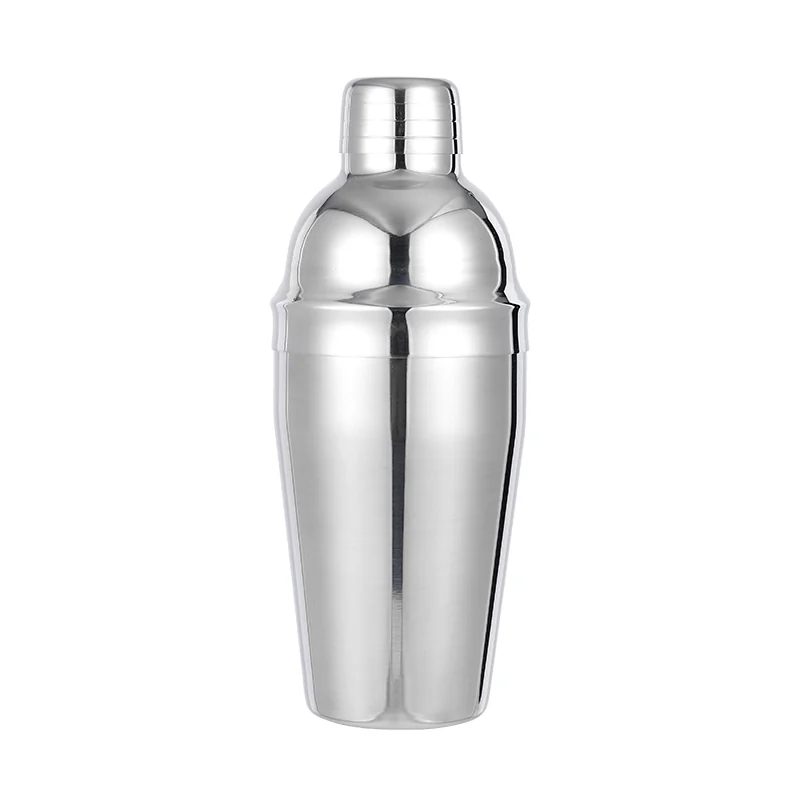
Use Manchen straight-rim double jiggers as a sample reference for the measuring brief, alongside the classic cobbler shaker where an approved recipe requires shaking. Compare the actual marks, handling and complete configuration with the pilot cards before agreeing an order. A coordinated tool selection should make the chosen menu easier to execute.
Explore the relevant collections
Discuss your product brief ↗References & further reading
References for the reported developments and supporting techniques. Trial plans and buying worksheets are original editorial suggestions.
