Recent industry trends
Turn one signature cocktail into a brief another bartender can use
An October World Class US announcement narrowed its opening application to one drink. Use that focused brief to improve recipe communication.
Manchen editorial team · Updated
The short answer
A usable signature-drink brief explains the intended experience and every decision another bartender needs to make it. Put measures, method, vessel, ice, garnish and final serving steps on one clear page, then test it through a handover. The recent application announcement inspires the exercise; this is not an application form or current invitation to enter.
Use one drink to expose unclear decisions
Tales of the Cocktail Foundation’s 1 October 2026 announcement explains a simpler first application round for the 2027 World Class US competition: one signature cocktail and recipe plus short essay questions. That application window closed on 10 November. The announcement concerns an actual recent application cycle, not a completed 2027 competition.
The useful independent exercise is to narrow attention to one drink. Choose a signature you already intend to serve and ask whether a colleague can reproduce its intended experience from the written instructions alone. A focused card can reveal assumptions that remain hidden when the creator is always standing beside the station.
Write the intended experience before the formula
Begin with one plain-language sentence about flavor, texture and the occasion. For example, describe an aromatic, gently bitter welcome serve rather than a list of fashionable ingredients. That sentence gives the next bartender a purpose against which to interpret the recipe.
Then list the ingredients precisely enough to distinguish the actual products or house preparations used. Name a syrup or infusion version if the bar makes more than one. Keep the story short and place it separately from the build steps. The goal is not to remove creativity; it is to preserve the decisions that make this drink yours when another person prepares it.
Record quantities and actions as separate information
Choose one written volume unit and use it consistently. NIST’s volume reference identifies mL and the relationship of 1000 mL to 1 L; a recipe card should not rely on an unexplained switch between a small measure and a batch quantity. If a preparation is scaled, label both the batch and the per-serve use.
Next, describe the actions in order: where ingredients go, when ice enters, which method combines them, how the liquid reaches the final glass, and what happens last. Replace vague words such as finish or prepare as usual with the decision they hide. A separate garnish line should identify the form and its place on the serve.
Make equipment choices part of the card
Identify the mixing vessel, measuring increments, strainer and serving glass required by this recipe. The card should expose a missing small measure or an incompatible vessel before a colleague begins. Do not specify every accessory in a large kit if only a few have a role in the drink.
For a shaken signature, document the exact assembly being evaluated and confirm the appropriate working load through a trial. For a stirred or direct-built drink, describe that route instead. The tool list follows the chosen method; the existence of a signature cocktail does not automatically justify a shaker, a fine sieve and several decorative tools.
Test the handover without live coaching
Give the card to a colleague and let them read it before you explain anything further. Ask them to identify ingredients, tools and order, then prepare the drink. Observe where they pause or ask a question; record that as a gap in the document before treating it as a lack of skill.
Compare the result with the stated experience and revise one unclear point at a time. Save the accepted card with a version date and the equipment references used in the trial. The resulting brief becomes a practical link between a creative idea, staff training and a later tool inquiry, rather than a collection of instructions only its author understands.
Put it into practice
- Describe the intended flavor and occasion in one sentence.
- Record ingredient versions, units and per-serve quantities.
- List only equipment required by the actual method.
- Let another bartender build from the card before approving it.
Questions worth asking
Is this the official World Class application worksheet?
No. It is an independent recipe-handover exercise inspired by the October announcement. The cited US application window has closed, and its requirements should not be assumed to apply to other countries or later rounds.
Should every possible substitution be on the same card?
Keep the approved version clear. If you offer a substitute, state the exact change and how the drink is identified. Uncontrolled optional ingredients make it difficult to know which recipe a colleague actually prepared.
Examples from the Manchen catalog
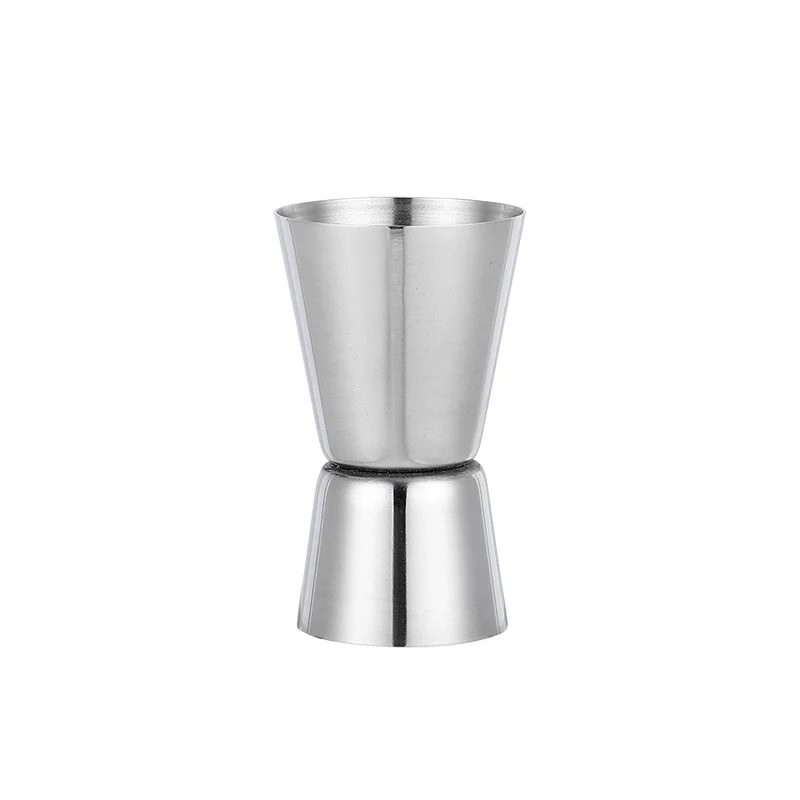
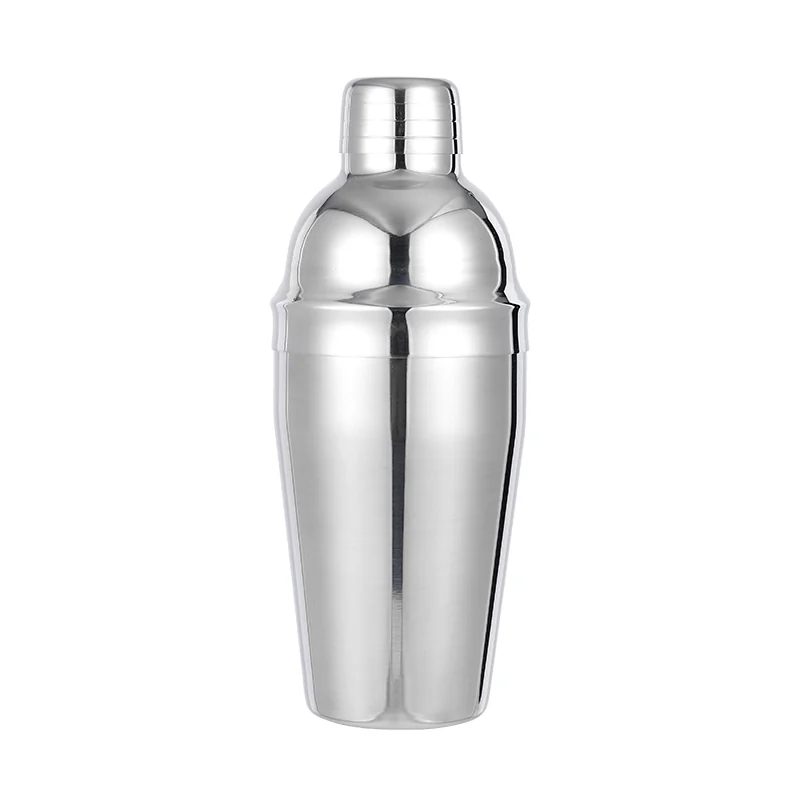
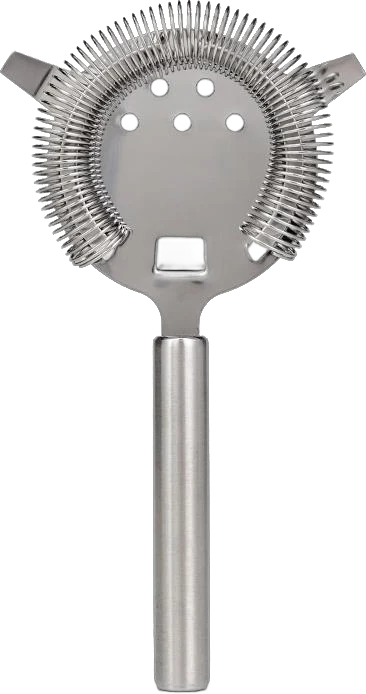
For a Manchen signature-drink inquiry, send the accepted build card and identify whether it genuinely needs the classic cobbler shaker, straight-rim jigger or steel-handle strainer. Request the relevant capacities and fit for that method instead of selecting a kit solely by appearance.
Explore the relevant collections
Discuss your product brief ↗References & further reading
References for the reported developments and supporting techniques. Trial plans and buying worksheets are original editorial suggestions.
