Mixing fundamentals
Cocktail dilution: why water belongs in the recipe
Separate cooling, melting and serving time so that dilution becomes a repeatable choice instead of an accident.
Manchen editorial team · Updated
The short answer
Dilution is the water added as ice melts during preparation and service. It changes concentration, temperature and texture. A useful standard describes the whole method, including ice and serving glass, rather than prescribing the same stirring time for every drink.
Follow the water from preparation to service
A drink may acquire water while being shaken, while being strained through melting ice and while resting over fresh serving ice. These are different stages. A drink served without ice stops following the same path as one served on a large cube. When two bartenders disagree about dilution, first check whether they are judging the same point in the service sequence. A freshly strained sample and a drink left on the counter are not comparable observations.
Distinguish a useful test from a misleading one
Simply weighing the whole shaker before and after mixing will not reveal melted water if all the original ice is still inside. For a practical evaluation, control ingredient amounts and serving procedure, then compare the finished yield and sensory result consistently. Precise analytical work needs an appropriate method that accounts for retained liquid, ice fragments and losses. Do not turn a rough bar exercise into a claim of laboratory accuracy.
Standardize the inputs that staff can control
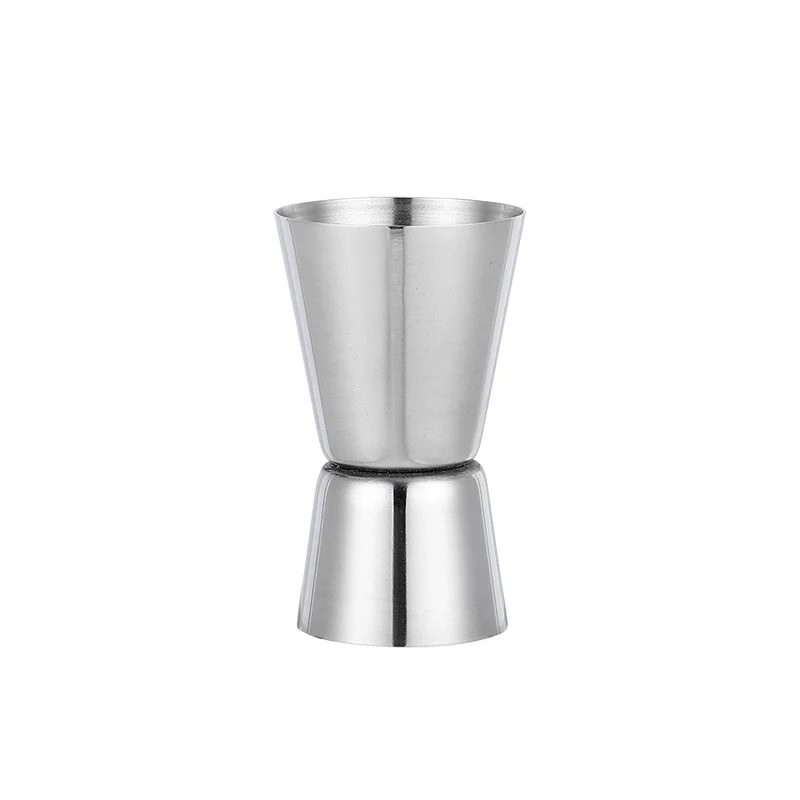
Record the recipe measure, ice source, vessel and endpoint used for training. Ice stored in a warm, wet well behaves differently from ice transferred directly from a freezer. Large changes in ingredient starting temperature also matter. Use the same jigger and a consistent draining step when comparing samples. If a recipe tastes thin, investigate these inputs before assuming that the bartender needs a smaller shaker or a faster spoon.
Make the service format part of the recipe card
Include whether the glass is chilled, whether fresh ice is used and when the drink reaches the guest. For a long service window, test the drink after a realistic delay rather than only at the instant of pouring. Batch recipes need their own water and temperature plan because they do not automatically receive the same dilution as individual drinks. Treat the approved result as a complete procedure that can be taught and checked.
Put it into practice
- Compare drinks at the same point in service.
- Record ice condition and ingredient temperature.
- Treat batch dilution as a separate development task.
Questions worth asking
Is there a universal ideal dilution percentage?
No single percentage suits every recipe and serving format. Establish a target for the specific drink, and document how you evaluated it before setting a production standard.
Examples from the Manchen catalog
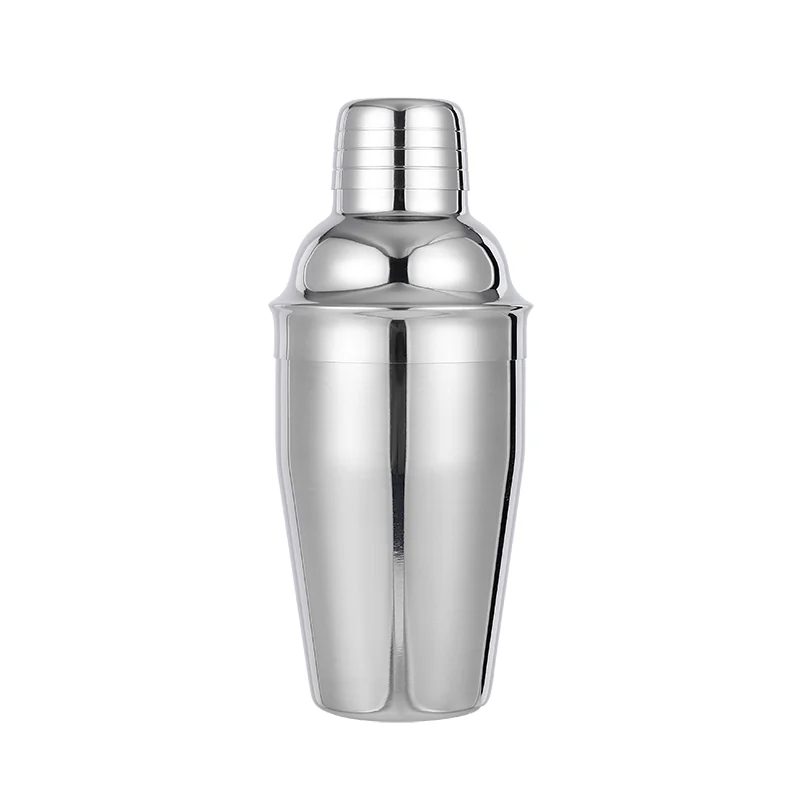
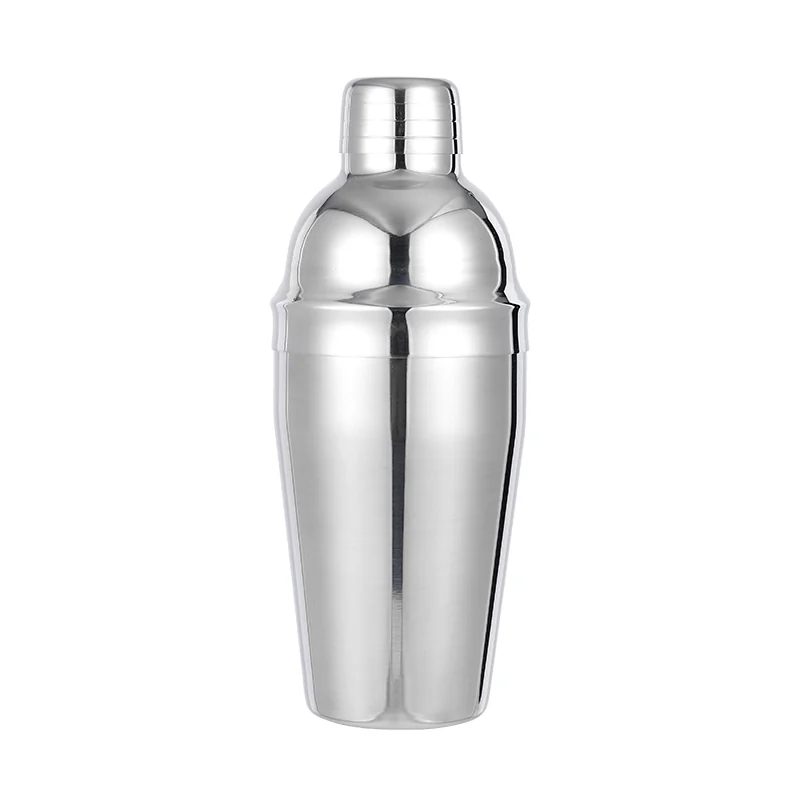
Manchen jiggers and shaker formats can help make a trial repeatable, but the tools alone do not determine dilution. Select a comfortable measuring tool and a vessel with suitable working space, then approve the drink procedure using your own ingredients and ice.
Explore the relevant collections
Discuss your product brief ↗References & further reading
These references explain general techniques and requirements. They do not establish certification or tested performance for a Manchen product.
