Recent industry trends
The contemporary spritz: presenting an occasion across several formats
Distinguish a freshly built spritz from packaged or draught formats, then define the product, measured build and guest-facing presentation.
Manchen editorial team · Updated
The short answer
A contemporary spritz brief should start with the actual format being served. A built cocktail, a packaged product and a draught serve can share an occasion while needing different instructions. Specify the product or recipe, vessel, ice, finish and description, then test the complete presentation before selecting the supporting barware.
Start with the occasion, then identify the format
IWSR’s October 2026 cultural analysis describes the spritz as an established occasion expanding across several formats. For a venue, the useful question is how that occasion appears in its own service: an individual table order, a casual gathering or a defined pre-meal offer.
Write a concise promise for the guest, then state what the venue actually makes or opens. A broad lifestyle description cannot replace the product identity. The menu should let staff explain the drink in ordinary terms even when the guest knows the word spritz but has a different version in mind.
Use the official built serve as a reference
The IBA Spritz page specifies building ingredients in an ice-filled wine glass and stirring gently. It provides a recognizable reference for a built cocktail. A venue’s approved card should still identify the actual ingredients and serve it offers, especially where it uses a different aperitif or a house variation.
Keep that card separate from instructions for any packaged or draught product. Similar appearance does not establish an identical preparation route. Staff should be able to find the right instruction from the order name without deciding at service time whether the drink is mixed, opened or dispensed.

Compare formats through an illustrative service brief
An illustrative pilot can compare a built spritz with one approved packaged alternative. List the order description, preparation owner, measuring steps, serving vessel, ice, garnish and reset for each. Leave any draught option out until the venue has a real product and an agreed service arrangement to evaluate.
The comparison is not a ranking of quality. It shows what the venue needs to deliver each choice clearly. If both are offered, make the distinction understandable on the menu. If only one is offered, the same sheet prevents staff from filling gaps with assumptions borrowed from another spritz they have served before.
Test the finished presentation with real components
Select a serving vessel using the intended product, liquid amount, ice and garnish together. Check the final appearance from the guest’s position and record the approved fill and garnish placement. An empty glass photograph or a nominal capacity cannot describe that whole presentation.
For a built recipe, verify the measuring action and finishing sequence in a staff rehearsal. Keep sparkling components on the route defined by the approved recipe rather than sending all ingredients through a generic mixing step. The tool selection then follows observable tasks: measuring, gentle mixing, ice handling or garnish placement, as required by the specific serve.
Keep the ritual approachable and repeatable
A considered spritz service can include a short explanation, an orderly presentation and an easy way to request another menu choice. Avoid requiring guests to understand a cultural story before they can order. Use the story where it adds interest, while keeping ingredients and format easy to find.
During the pilot, record questions about flavor, product identity and presentation, alongside preparation and reset notes. Review whether the chosen format fits the venue’s actual occasion. Save the finished card and a serving photograph so the next staff member can reproduce the experience without reconstructing the intention behind a stylish menu image.
Put it into practice
- Identify whether each spritz is built, packaged or dispensed.
- Keep format-specific service cards separate.
- Trial the complete vessel, liquid, ice and garnish combination.
- Review guest understanding and station reset together.
Questions worth asking
Can one spritz service card cover every format?
A shared overview can explain the occasion, but each actual format needs clear instructions. State which ingredients are measured, which product is opened or dispensed and how the finished drink is presented. Similar menu names should not leave the preparation method to interpretation.
Should the glass be chosen from appearance alone?
Use appearance as one part of the brief, then trial the intended liquid, ice and garnish together. Record the approved finished serve and staff handling. This provides a concrete reference for selection, rather than assuming a fashionable shape will fit every spritz product or recipe.
Examples from the Manchen catalog
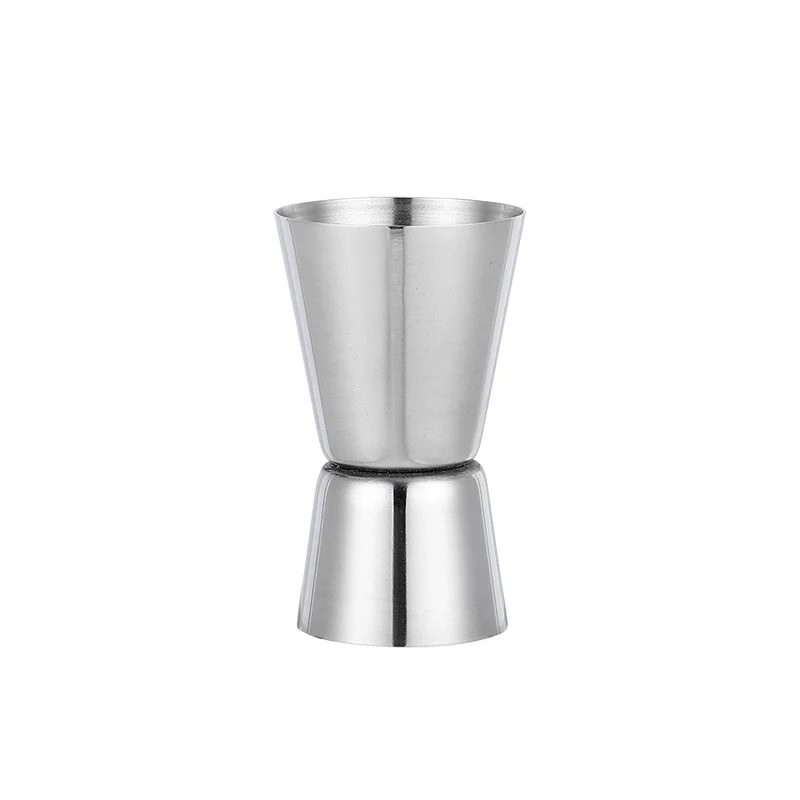
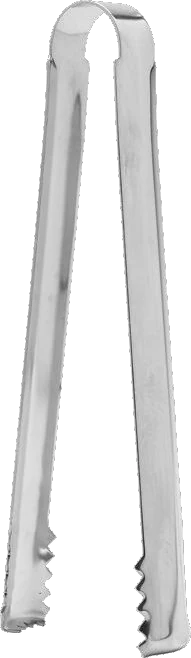
For a built spritz sample trial, compare Manchen’s straight-rim jigger, twisted bar spoon catalog-p26-r06 and rounded ice tongs catalog-p26-r04 with the approved service card. Confirm their actual dimensions and handling alongside the chosen serving vessel. Packaged formats may require a smaller supporting tool selection, as the pilot sheet makes clear.
Explore the relevant collections
Discuss your product brief ↗References & further reading
References for the reported developments and supporting techniques. Trial plans and buying worksheets are original editorial suggestions.
