Materials & care
Drying and storing bar tools: stop moisture getting trapped
Follow the tool from washing rack to drawer or display stand, and identify where wet nesting, contact and splash can undermine the routine.
Manchen editorial team · Updated
The short answer
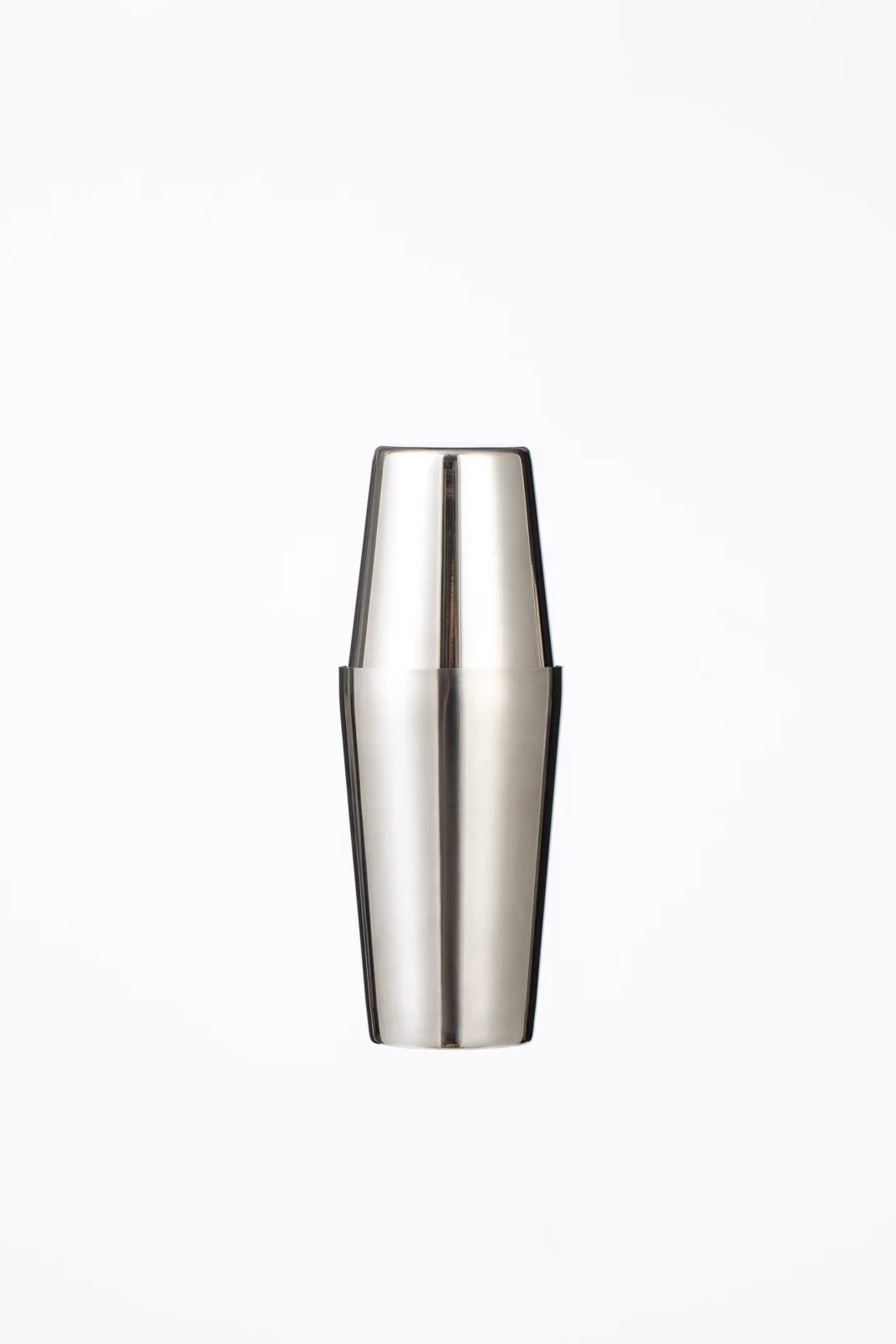
Complete the approved cleaning and sanitizing routine before storage, then allow the item and its parts to dry using a protected arrangement. Avoid sealing damp shaker pieces together or nesting wet tools in a closed drawer. A stand is a storage accessory, not a substitute for drying or hygiene control.
Map the journey after the sink
Many storage problems begin after a tool has been washed correctly. Follow one shaker or spoon through rinsing, any required sanitizing, drying, sorting and final storage. Look for a clean item resting against a dirty basket, a lid returned while its inside is wet, or a rack exposed to nearby sink splash. Assign clear locations for soiled, drying and ready-to-use tools. The boundaries should be understandable during a rush, when staff are least likely to stop and reinterpret an elaborate system.
Leave space for drying rather than hiding water
Nested cups, closed caps and tight stand slots can hide remaining liquid. Use the drying orientation recommended for the specific item and keep parts separated where required. Do not assume that a surface which feels dry outside is dry at a seam or inside a cap. Plan enough rack capacity for the real washing volume, including small jiggers and strainers. If staff must stack wet tools because the rack is full, the station needs a capacity change rather than another reminder to be careful.
Protect ready tools from contact and chemical residue
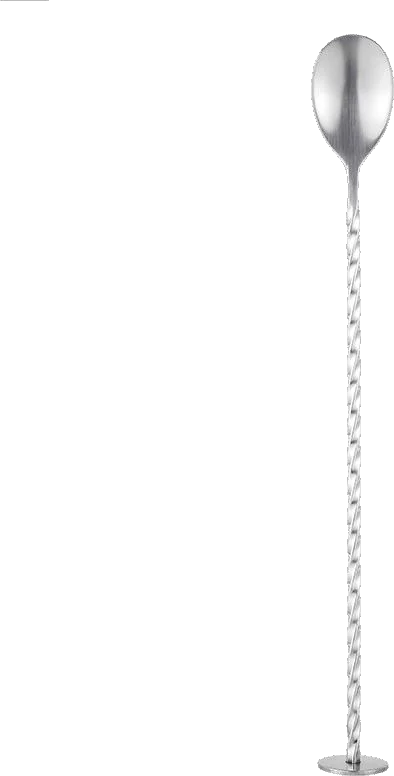
BSSA’s care guidance emphasizes rinsing and drying for stainless surfaces and warns against unsuitable chemical exposure. Storage should not extend a cleaning chemical’s contact time by trapping solution between parts. Keep dry tools away from chemical bottles, used cloths and ordinary steel scourers. Check drawers, holders and the underside of stands as part of the routine. Foodservice operators should use the storage and drying provisions adopted locally; a visually tidy countertop is not evidence that its food-contact tools remain protected.
Choose a stand around access and maintenance
A display layout can make an attractive kit difficult to maintain if wet tools are returned immediately to narrow openings. Review whether the holder can be inspected and cleaned, and whether tools rub each other or the base. Separate presentation during sale from drying during use. For a mobile kit, pack only after the approved drying stage and check the bag or case as well. Write a simple closing checklist that includes missing parts, visible damage and a clean storage location for the next shift.
Put it into practice
- Separate soiled, drying and ready-to-use locations.
- Check caps and nested parts for trapped liquid.
- Include holders and cases in the cleaning schedule.
Questions worth asking
Should a clean shaker be stored tightly assembled?
Follow the item’s instructions, but do not seal pieces together while they remain damp. Keep all components identifiable and protected, and assemble only after the specified drying stage is complete.
Examples from the Manchen catalog
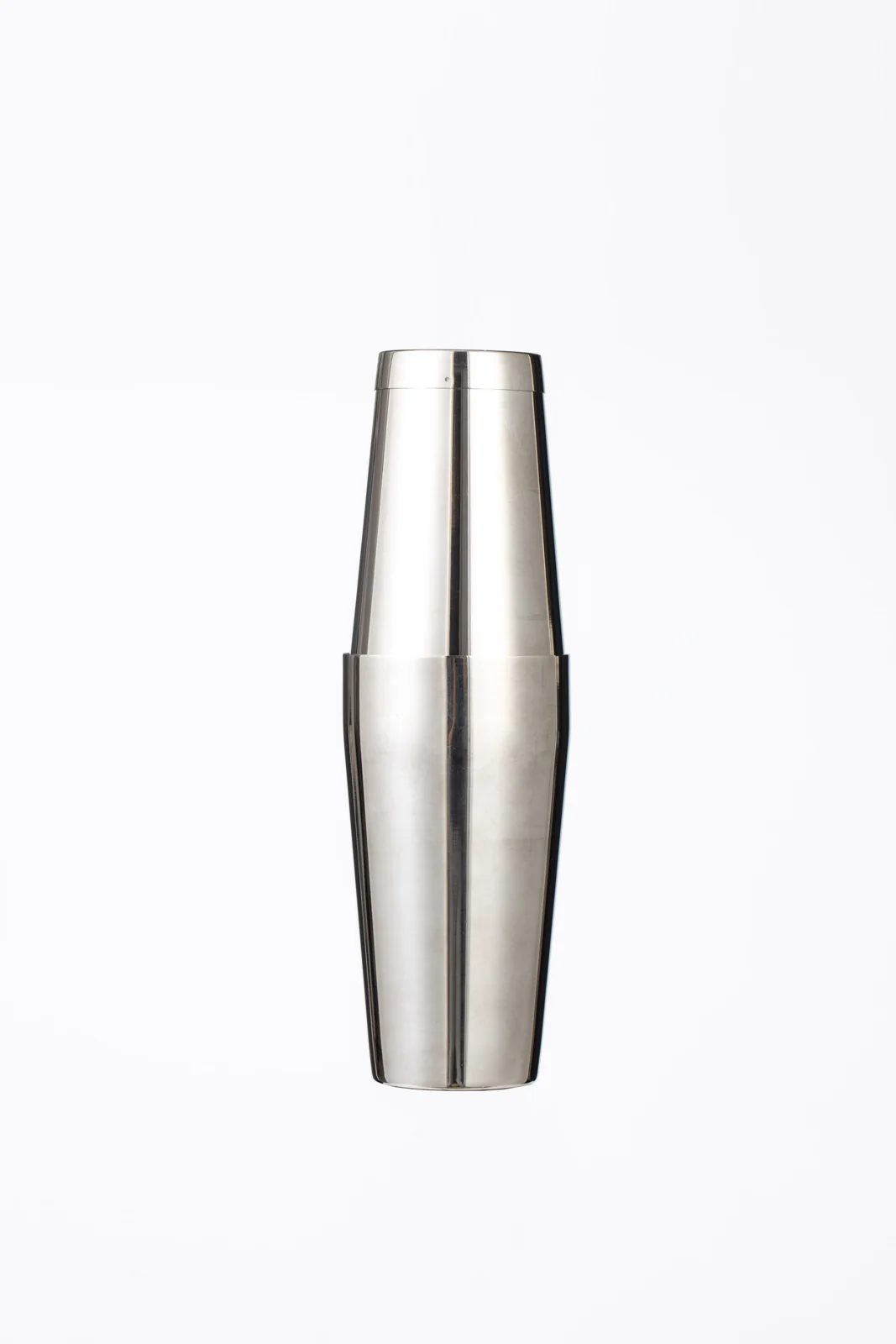
For Manchen sets with stands, review both the tool arrangement and the post-wash routine. A sample trial should show how a jigger, shaker cap and strainer dry before returning to the holder. Ask for the stand’s material and care instructions rather than inferring them from the collection name.
Explore the relevant collections
Discuss your product brief ↗References & further reading
These references explain general techniques and requirements. They do not establish certification or tested performance for a Manchen product.
